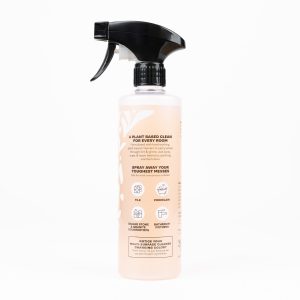
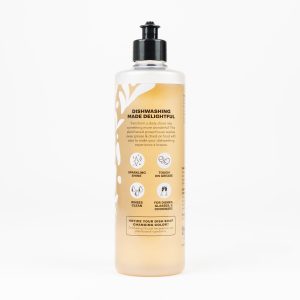
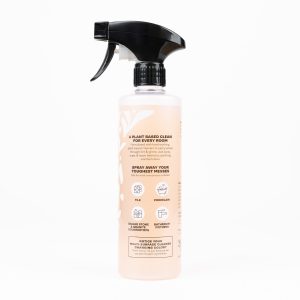
$1O BUILD YOUR BUNDLE
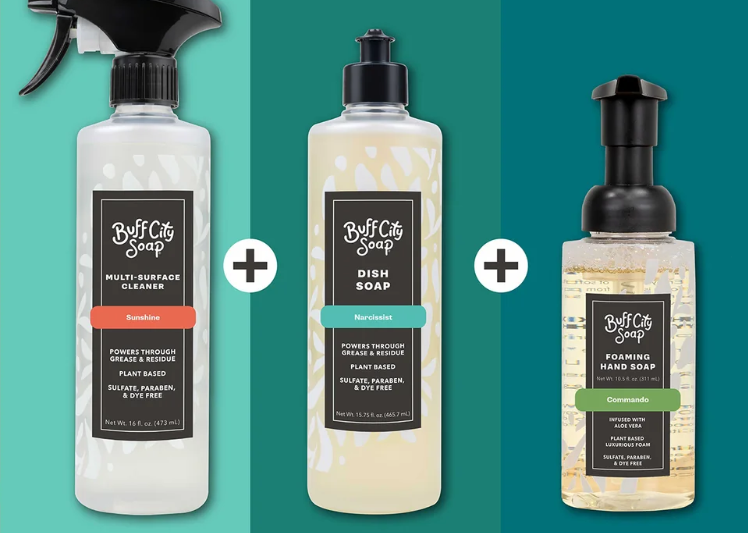
Choose your favorite Dish Soap,Multi-Surface Cleaner,& Foaming
Hand Soap!

NEW& POPULAR
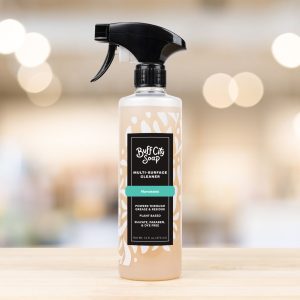
New Products
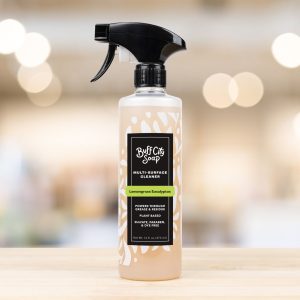
New Products
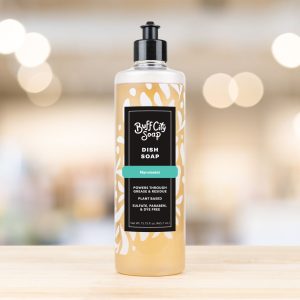
New Products
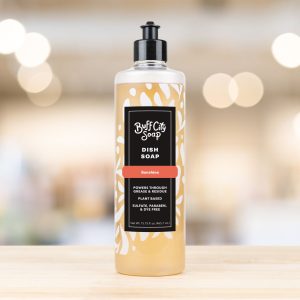
New Products
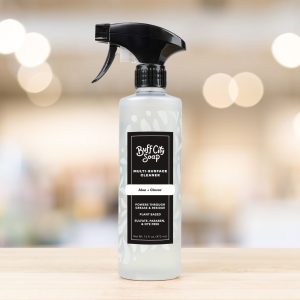
New Products
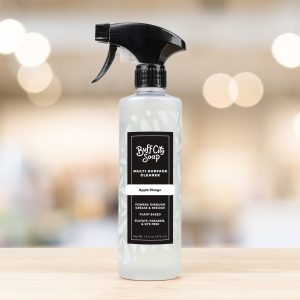
New Products
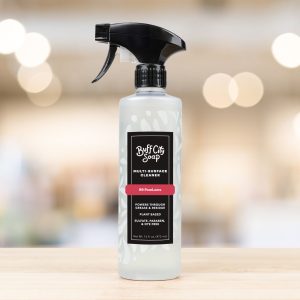
New Products
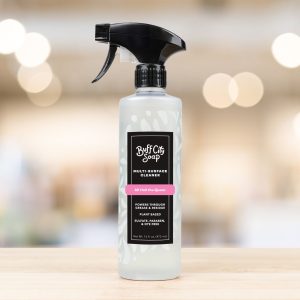
New Products
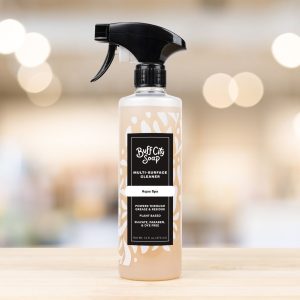
New Products
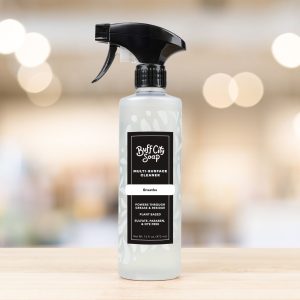
New Products
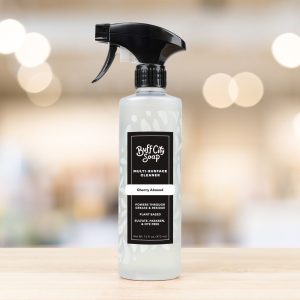
New Products
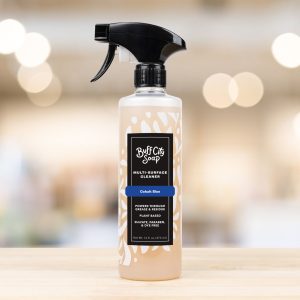
New Products
SHOP BY CATEGORY


The Shift Toward Sustainable Chemistry
The landscape of domestic maintenance has shifted dramatically over the last decade. As we become more conscious of indoor air quality and the long-term effects of volatile organic compounds (VOCs), the demand for “green” chemistry has reached an all-time high. This evolution isn’t just about avoiding certain ingredients; it’s about rethinking how we achieve a sterile and bright environment.
Plant-Derived Surfactants vs. Petroleum
Traditionally, many cleaning agents relied on petroleum-based surfactants. While effective, these can be slow to biodegrade and may contribute to environmental buildup. The modern era has ushered in surfactants derived from coconut, corn, and sugar. These plant-based alternatives provide the same grease-cutting power while being significantly gentler on the skin and the aquatic ecosystems they eventually enter.
The Power of Enzymes
One of the most significant breakthroughs in eco-friendly cleaning is the use of bio-enzymatic cleaners. Instead of using harsh chemicals to “burn” through a stain, these solutions use specialized proteins to “digest” it.
Proteases break down protein-based stains like grass or blood.
Amylases target starches.
Lipases focus on fats and oils. The beauty of enzymatic cleaning is that the reaction continues as long as the “food” source (the stain) is present and the surface is moist. This allows for deep cleaning of porous surfaces like grout or upholstery without the need for aggressive scrubbing.
Essential Oils and Natural Antimicrobials
As users move away from synthetic fragrances, essential oils have taken center stage. Beyond providing a pleasant scent, many oils possess inherent properties that aid in cleaning. For example, certain citrus oils contain high levels of d-limonene, a powerful natural solvent that excels at removing sticky residues. Other oils provide mild antimicrobial benefits, helping to maintain a fresh environment without the heavy chemical scent associated with traditional cleaners.
Reducing the Carbon Footprint: Concentration and Packaging
Sustainability in cleaning also involves the logistics of the products themselves. The industry is moving toward highly concentrated formulas. By removing the water—which constitutes up to 90% of many standard cleaning products—manufacturers can significantly reduce the weight and volume of shipping. This leads to a lower carbon footprint and encourages the reuse of spray bottles, moving us closer to a “zero-waste” domestic routine.
The Future of Indoor Air Quality
Traditional cleaners often release VOCs that can linger in a home for hours or even days. Eco-friendly alternatives focus on low-VOC or VOC-free formulations. This is particularly important in modern, well-insulated homes where air exchange rates may be low. By choosing products that do not off-gas harmful vapors, we protect the respiratory health of the inhabitants while maintaining a high standard of cleanliness.